Electrical Wiring: The Backbone of a Safe and Efficient Home
Electrical wiring is one of the most critical components of any building. Proper wiring ensures your home or office receives reliable power while keeping everyone safe from electrical hazards. Faulty wiring, on the other hand, can lead to short circuits, fire risks, and damage to appliances. Professional electrical wiring is essential for both safety and efficiency.
Why Proper Electrical Wiring Matters
- Safety First – Prevents shocks, short circuits, and fire hazards.
- Reliable Power Supply – Ensures appliances and devices work efficiently.
- Energy Efficiency – Proper wiring reduces energy loss and lowers electricity bills.
- Longevity of Appliances – Stable electricity supply prevents damage to electronics.
- Compliance with Regulations – Meets safety standards and local electrical codes.
Common Electrical Wiring Problems
- Exposed or frayed wires.
- Overloaded circuits.
- Frequent tripping of circuit breakers.
- Flickering lights or power surges.
- Poorly installed switches or sockets.
Types of Electrical Wiring
- Copper Wiring – Most common and highly conductive.
- Aluminum Wiring – Lightweight, cost-effective but less durable than copper.
- Single-Core Wiring – Used for standard household circuits.
- Multi-Core Wiring – Suitable for complex electrical systems and appliances.
- Flexible Wiring – Used for appliances requiring movement, like fans or lamps.
Electrical Wiring Installation Process
- Planning & Layout – Mapping circuits, outlets, and lighting points.
- Selecting the Right Wires – Choosing suitable gauge and material.
- Installing Conduits – Protects wires and organizes circuits.
- Pulling Wires & Connections – Running wires through walls, ceilings, and panels.
- Testing & Inspection – Ensuring circuits work correctly and safely.
- Final Touches – Installing switches, sockets, and covering conduits neatly.
DIY vs Professional Electrical Wiring
- DIY Wiring – Only minor repairs or replacements are safe for experienced individuals.
- Professional Wiring – Essential for new homes, renovations, or complex electrical systems to ensure safety, compliance, and efficiency.
Maintenance Tips for Safe Electrical Wiring
- Regularly inspect wires and sockets for wear and tear.
- Avoid overloading circuits with multiple high-power devices.
- Use surge protectors for sensitive electronics.
- Schedule periodic checks by a licensed electrician.
- Replace old or damaged wiring promptly.
Final Thoughts
Electrical wiring is the backbone of a safe and efficient home. Proper installation and maintenance not only protect your family but also ensure smooth functioning of all appliances and devices.
Related Posts
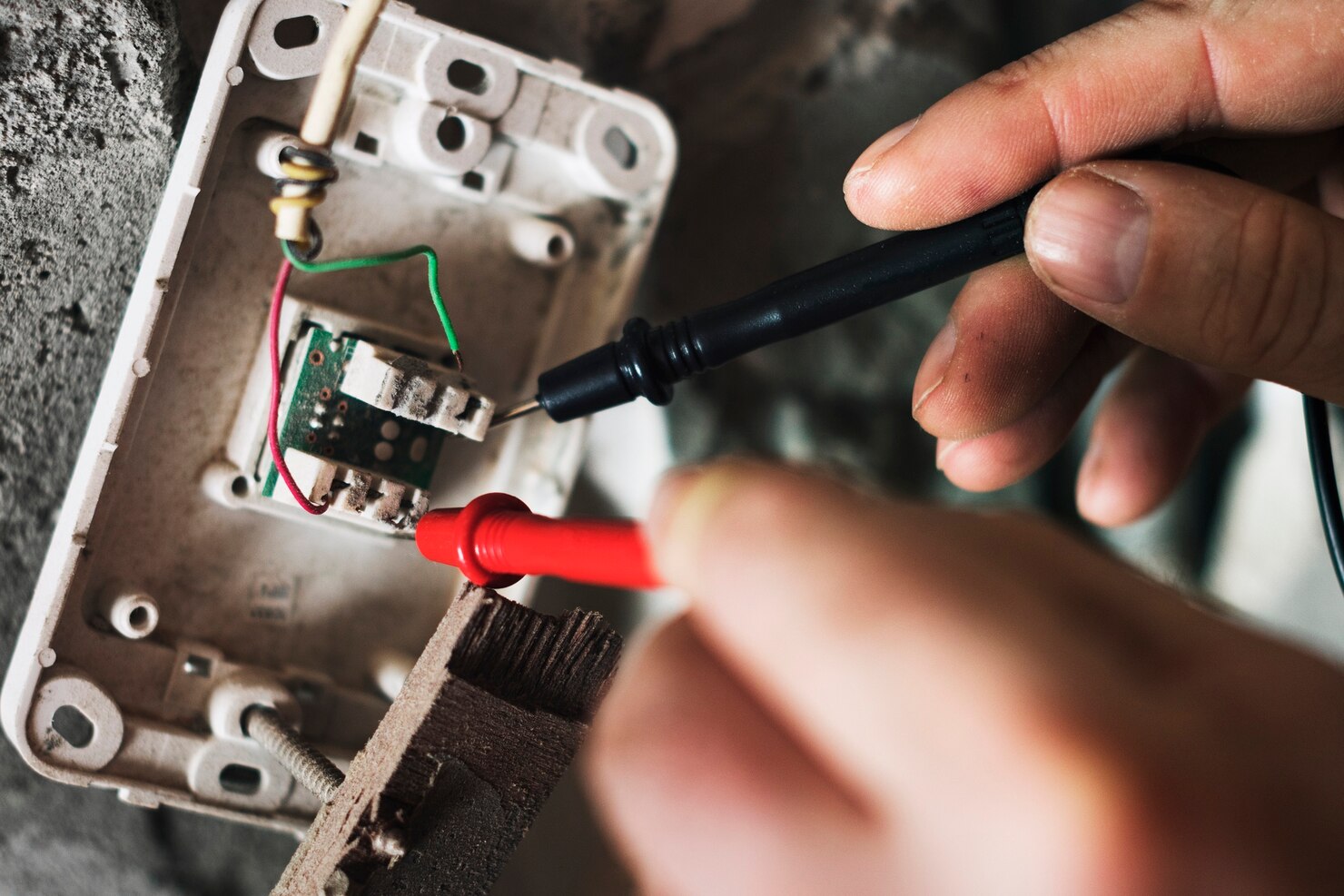
Switch Repairs
Switch Repairs: Ensuring Safety and Convenience at Home Electrical switches…
Light Installation
Light Installation: Brighten Your Home Safely and Stylishly Lighting plays…