Roof Sealing: Protecting Your Home from Leaks and Damage
Your roof is your home’s first line of defense against rain, heat, and harsh weather. Over time, cracks, gaps, and worn-out materials can lead to water seepage, leaks, and costly structural damage. Roof sealing is one of the most effective ways to protect your property, extend the life of your roof, and ensure a safe and dry living environment.
What is Roof Sealing?
Roof sealing involves applying a protective coating or sealant over your roof’s surface. This creates a waterproof barrier that prevents leaks, blocks UV rays, and adds an extra layer of durability to your roofing materials.
Benefits of Roof Sealing
- Prevents Water Leakage – Stops rainwater from seeping into cracks.
- Extends Roof Life – Protects against wear and tear.
- Energy Efficiency – Reflective coatings reduce heat absorption, lowering cooling costs.
- Mold & Mildew Prevention – Keeps moisture from penetrating and creating unhealthy growth.
- Cost-Effective – Reduces the need for frequent roof repairs or replacements.
Common Roof Problems That Require Sealing
- Cracks in roofing materials.
- Water stains on ceilings.
- Loose or broken shingles/tiles.
- Dampness in attic or top floors.
- Frequent leaks during rain.
Types of Roof Sealants
- Acrylic Sealants – Affordable, UV-resistant, and ideal for most climates.
- Silicone Sealants – Excellent for waterproofing and resisting ponding water.
- Polyurethane Sealants – Strong adhesion and durability, suitable for flat roofs.
- Bitumen-Based Sealants – Commonly used for traditional roofing materials.
Roof Sealing Process
Final Check – Ensuring complete coverage and leak protection.
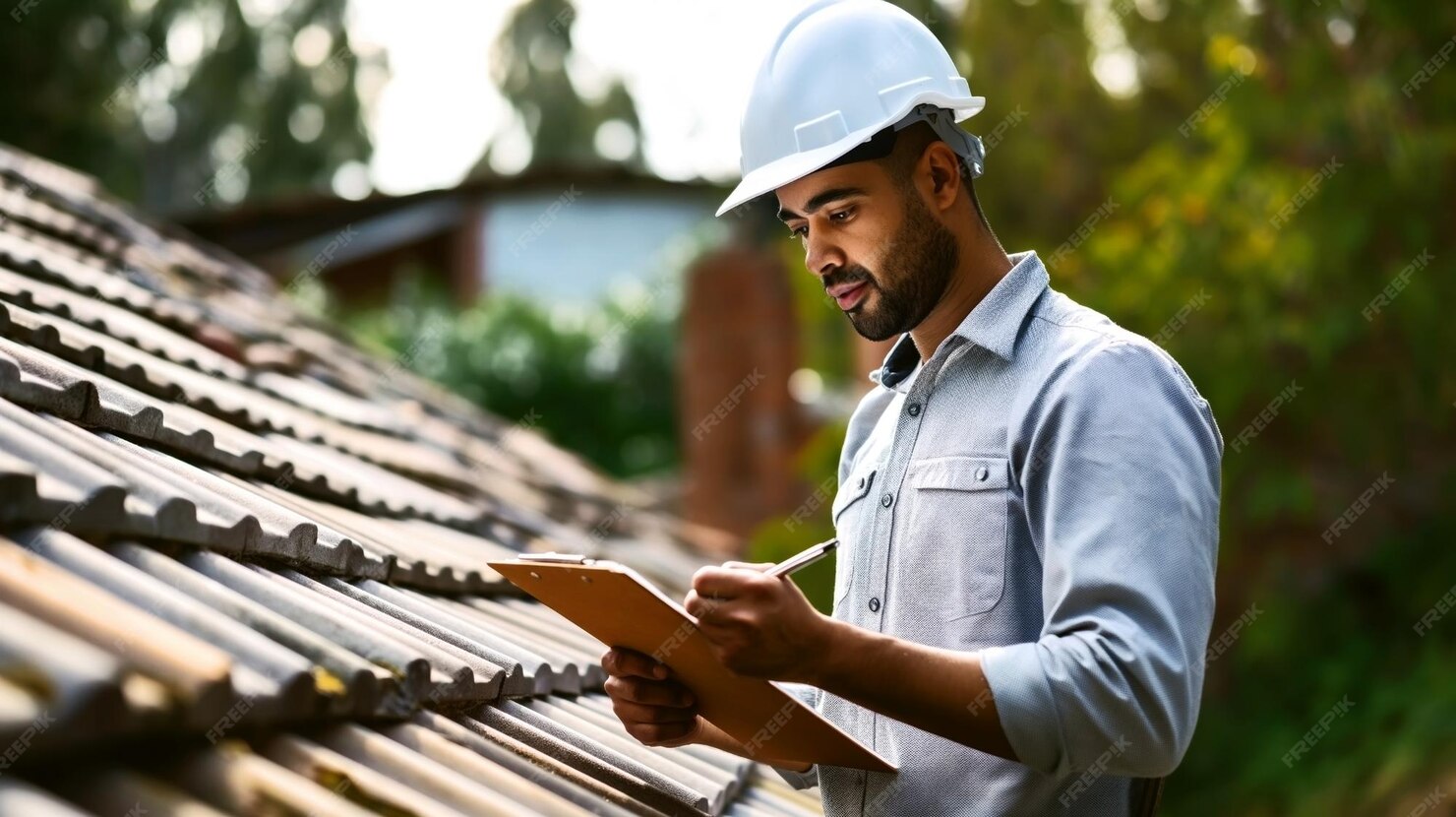
Inspection – Identifying cracks, leaks, and weak spots.
Cleaning – Removing dirt, debris, and old coatings.
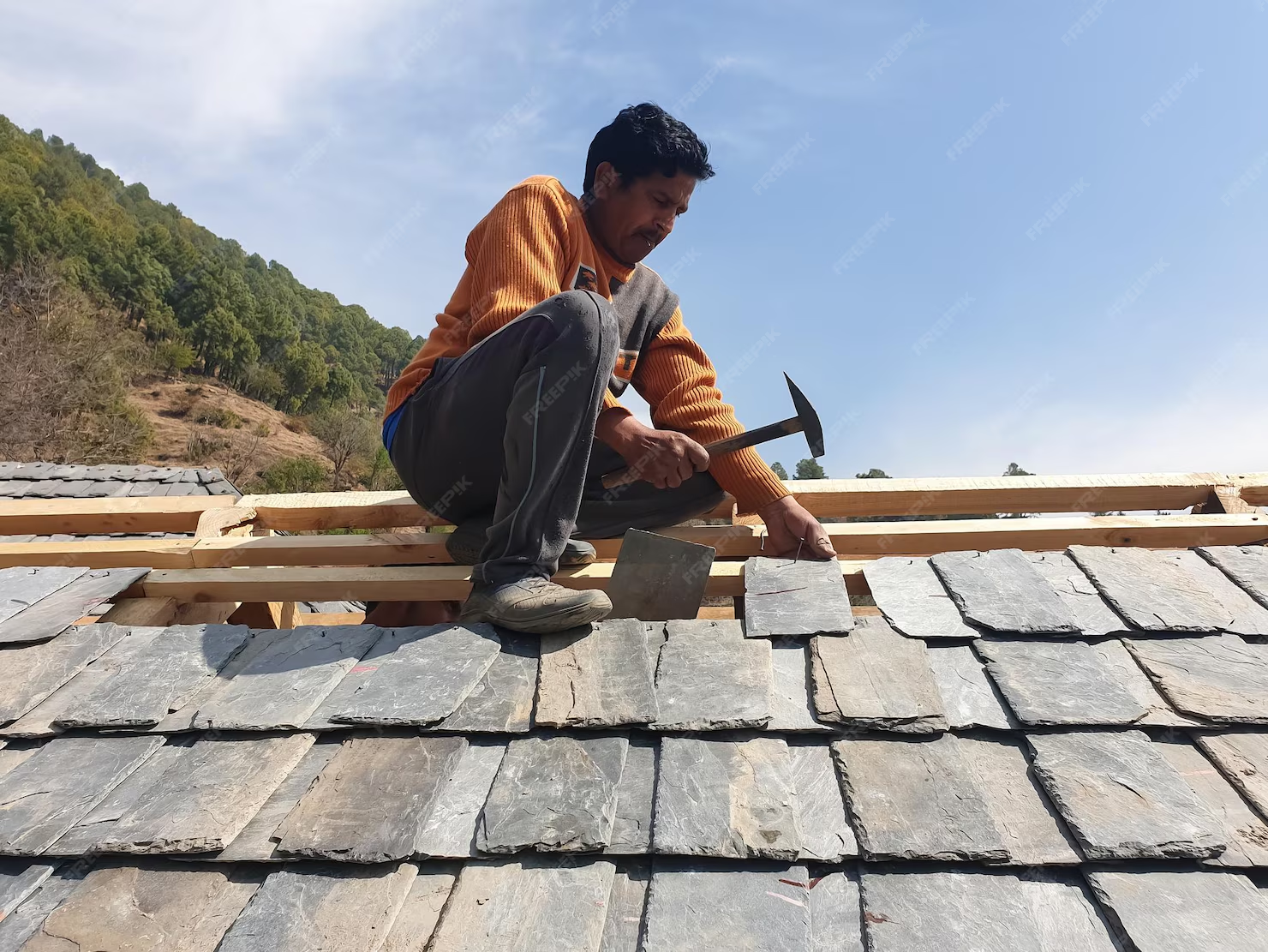
Repairing – Fixing damaged tiles, shingles, or flashing.
Applying Sealant – Evenly coating the roof with chosen sealant.
Related Posts