9 September, 2025
0 Comments
1 category
Kitchen Plumbing: A Complete Guide for a Functional Kitchen
The kitchen is the heart of every home — and its plumbing system is what keeps it running smoothly. From washing vegetables to running the dishwasher, reliable kitchen plumbing ensures convenience, hygiene, and efficiency in your daily routine.
Key Components of Kitchen Plumbing
A typical kitchen plumbing setup includes:
- Water Supply Lines – Carry hot and cold water to sinks, faucets, and appliances.
- Sink & Faucet – The most frequently used feature for washing, cleaning, and cooking.
- Drainage System – Removes wastewater quickly and prevents clogs.
- Garbage Disposal – Helps break down food waste (if installed).
- Appliance Connections – Plumbing for dishwashers, refrigerators, and water filters.
Common Kitchen Plumbing Problems
- Clogged Drains – Caused by grease, food particles, or soap buildup.
- Leaky Faucets – Waste water and increase bills.
- Low Water Pressure – Usually due to pipe blockages or mineral deposits.
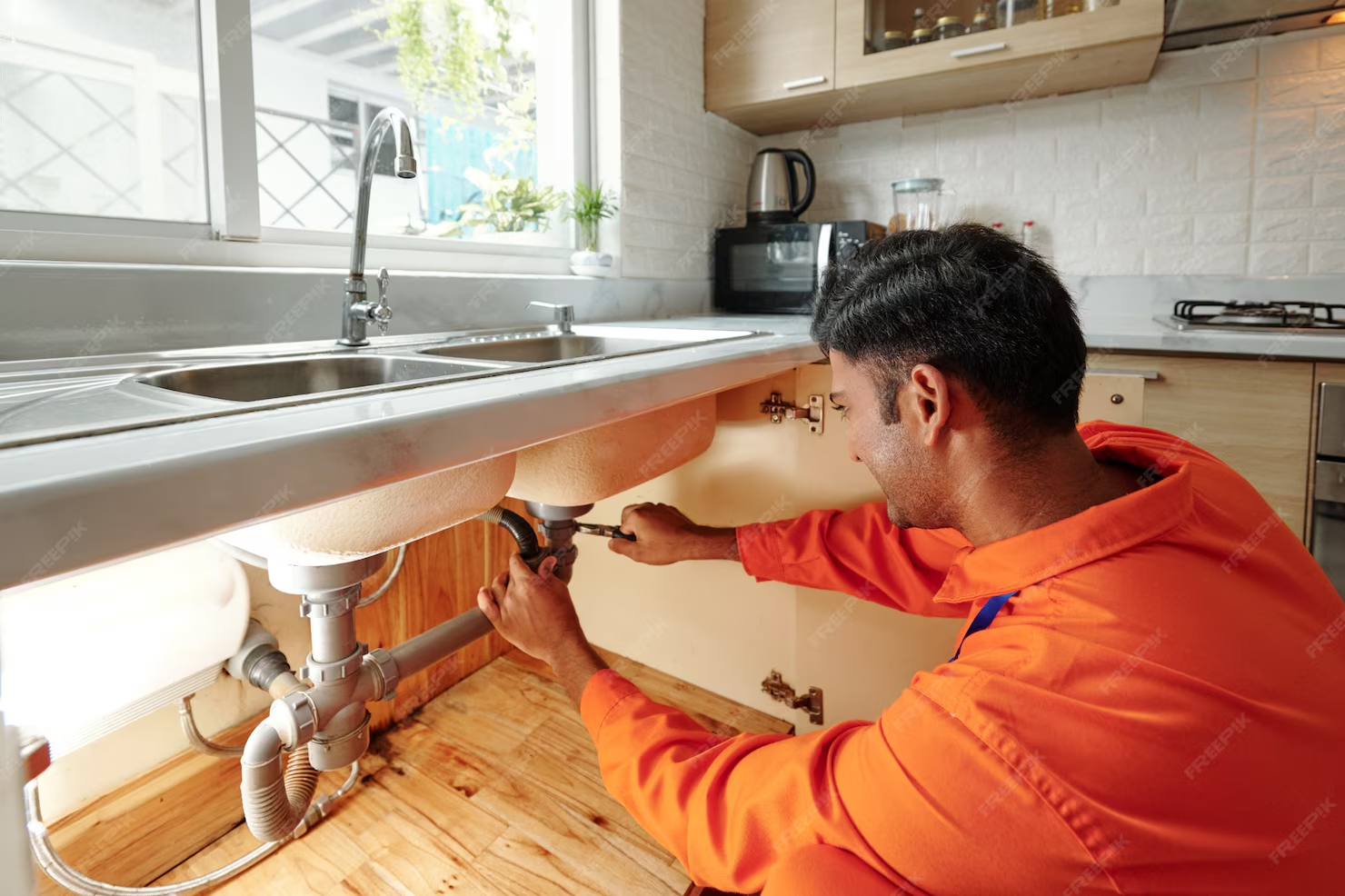
- Leaking Pipes Under the Sink – Can damage cabinets and flooring.
- Faulty Dishwasher Connections – Lead to leaks or flooding if not fixed.
Maintenance Tips for Kitchen Plumbing
Inspect appliance connections periodically.
Avoid pouring grease or oil down the drain.
Use a drain strainer to catch food scraps.
Regularly clean faucets and aerators to maintain water flow.
Run hot water down the drain after heavy use to prevent clogs.
Category: postcategory6
Related Posts