9 September, 2025
0 Comments
1 category
Leak Fixing: Simple Solutions to Protect Your Home
Leaks may start small — a dripping tap, a damp patch on the wall, or a slow trickle under the sink — but if ignored, they can cause serious damage to your home. Leak fixing is not only about saving water but also about protecting your property from costly repairs and health risks like mold.
Common Types of Leaks
- Faucet Leaks – A constant drip that wastes water and increases bills.
- Pipe Leaks – Hidden leaks inside walls or under floors can weaken structures.
- Toilet Leaks – Running toilets or leaking tanks waste gallons of water every day.
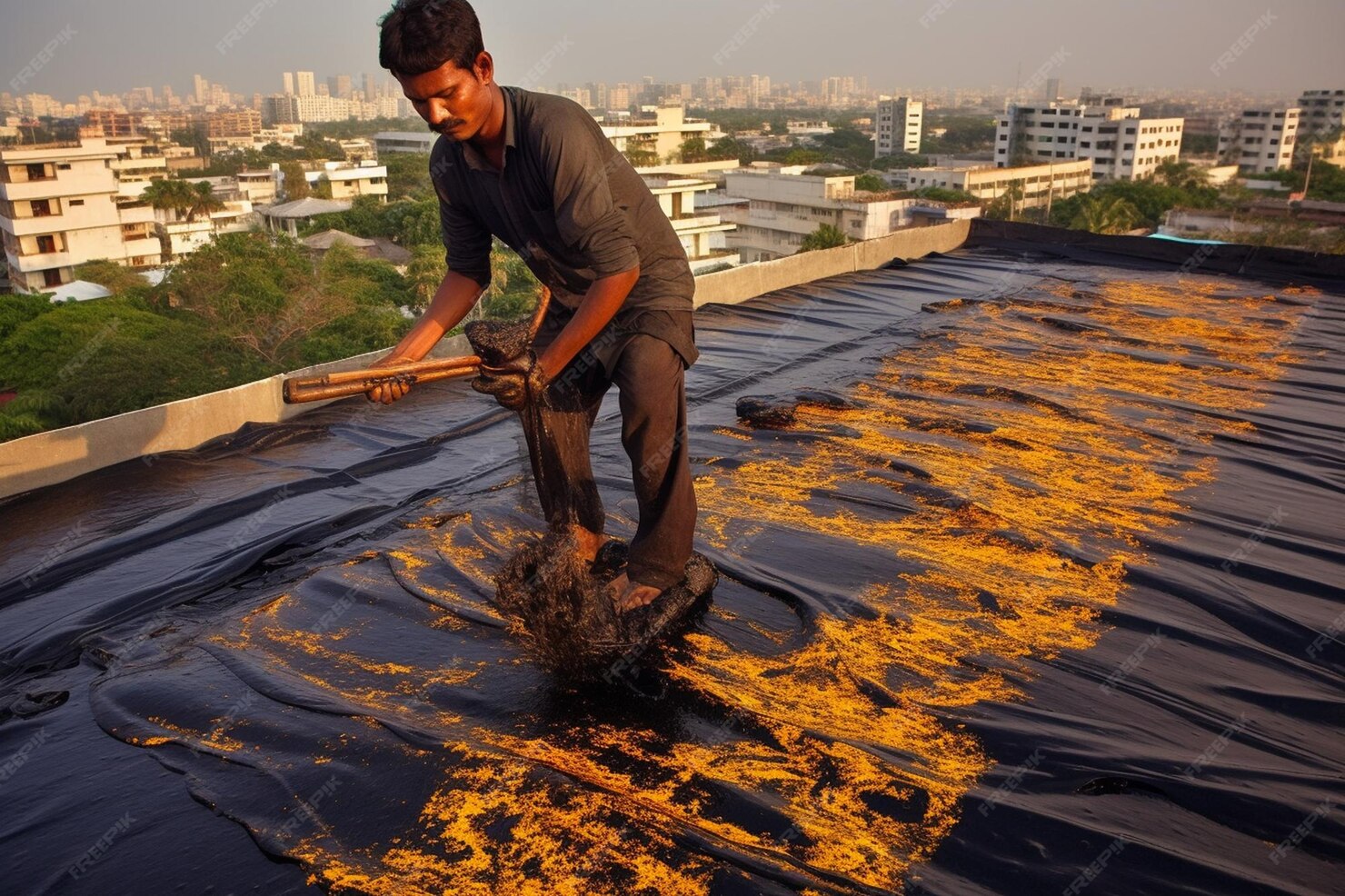
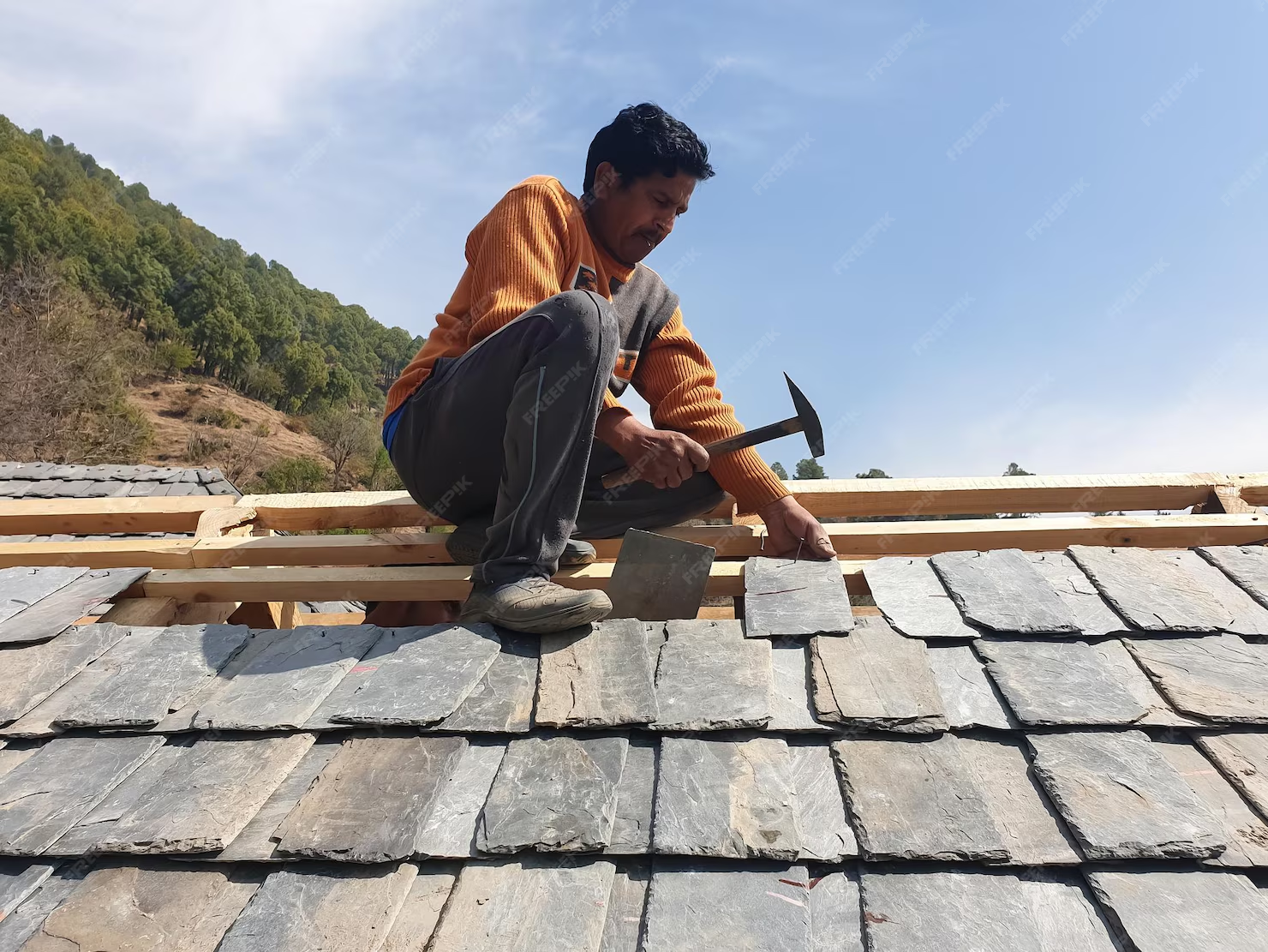
- Roof Leaks – Rainwater seeping through cracks or broken tiles.
- Appliance Leaks – Dishwashers, washing machines, and refrigerators often develop small leaks.
Signs You May Have a Leak
- Sudden spike in your water bill.
- Musty smell in certain rooms.
- Water stains or damp patches on ceilings, walls, or floors.
- Mold or mildew growth.
- Low water pressure in faucets or showers.
Quick DIY Leak Fixing Tips
- Tighten loose faucet handles and replace worn washers.
- Use plumber’s tape to seal minor pipe leaks.
- Apply epoxy putty for temporary crack repairs.
- Turn off the water supply immediately if the leak is severe.
When to Call a Professional
Some leaks are easy to handle on your own, but others need expert attention. Call a plumber if:
- The leak is hidden behind walls or underground.
- You suspect pipe corrosion or burst pipes.
- Water damage is spreading quickly.
- DIY fixes aren’t working.
Preventing Future Leaks
Install leak detection devices for early alerts.
Inspect pipes, faucets, and appliances regularly.
Replace old or corroded pipes.
Avoid chemical drain cleaners that weaken plumbing.
Category: postcategory5
Related Posts