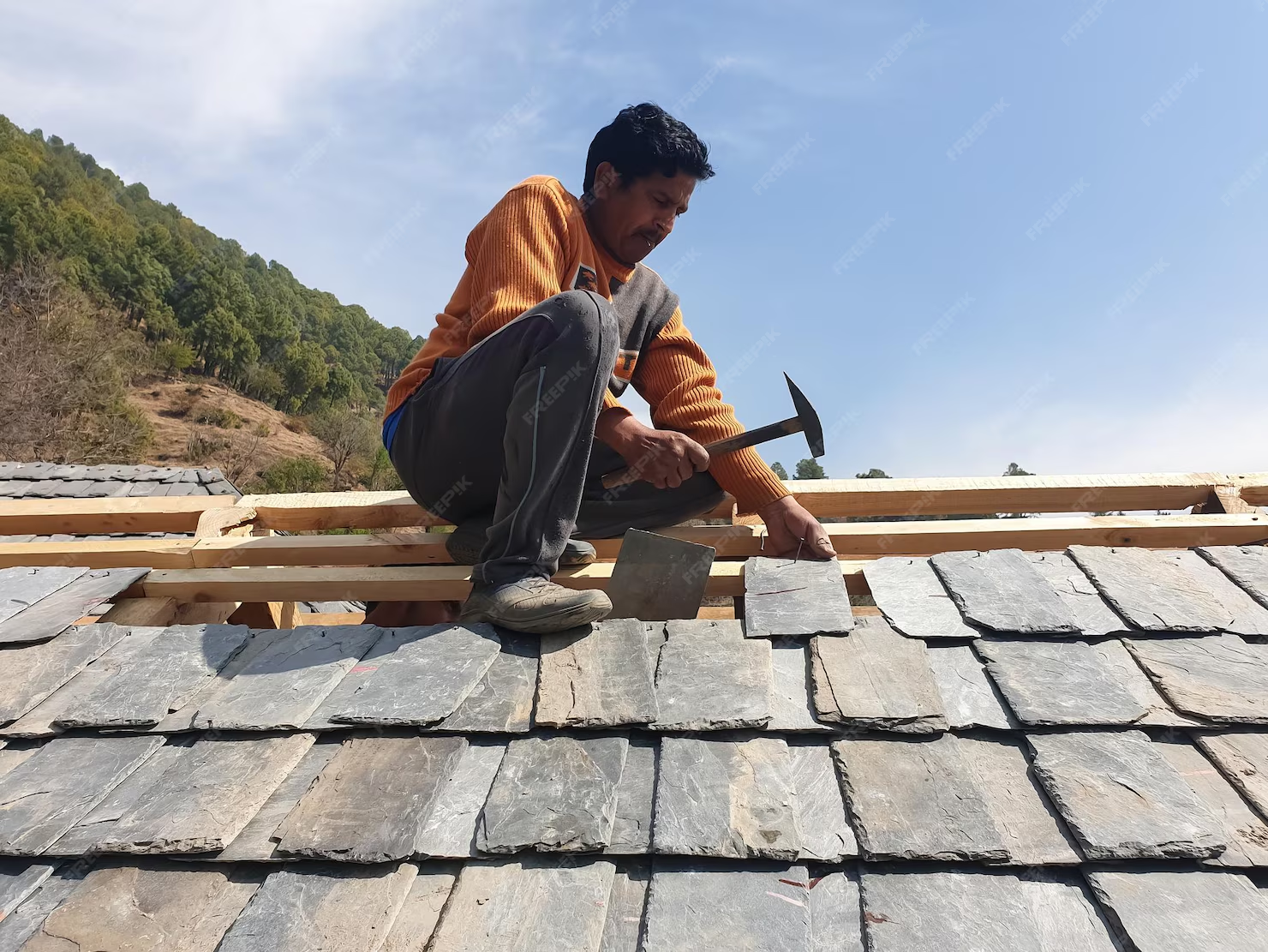
Roof Inspection: Why It’s Essential for Every Homeowner
Your roof is one of the most important parts of your home — it protects you from rain, sun, wind, and snow. But over time, roofs can develop cracks, loose tiles, leaks, and other issues that may go unnoticed until serious damage occurs. This is where roof inspection plays a key role.
What is Roof Inspection?
A roof inspection is a thorough check of your roof’s condition, carried out to identify potential problems such as leaks, structural weaknesses, or aging materials. Regular inspections ensure your roof remains durable, safe, and weatherproof.
Why Roof Inspections Are Important
- Early Problem Detection – Spot minor issues before they become costly repairs.
- Leak Prevention – Identify weak areas that may let in water during rains.
- Increase Roof Lifespan – Regular maintenance extends your roof’s durability.
- Energy Efficiency – Well-maintained roofs prevent heat loss and reduce cooling costs.
- Safety Assurance – Protects your home from structural risks.
When Should You Get a Roof Inspection?
- After heavy rain, storms, or hail.
- At least once or twice a year as routine maintenance.
- Before buying or selling a house.
- If you notice damp spots, water stains, or mold inside your home.
What Inspectors Look For
- Damaged or missing shingles/tiles.
- Cracks, holes, or weak spots in roofing materials.
- Blocked or damaged gutters and downspouts.
- Signs of water leakage or mold.
- Structural damage or sagging areas.
DIY vs Professional Roof Inspection
Professional Inspections – In-depth assessment using ladders, drones, or thermal imaging for hidden leaks and structural issues.
DIY Checks – From the ground, look for visible damage, debris, or loose shingles.
Related Posts